An analysis of PPL data shows that return options are a key factor in the buying decision for 77% of e-shop customers. More than half (54%) of shoppers say free returns improve their shopping experience.
For many shoppers, the question of returning goods does not come up only when the order is delivered. On the contrary, it is a natural part of the buying decision from the very start. According to an analysis from the regular DHL Trend Report index, 4 in 5 Czechs will not complete a purchase if the e-shop does not offer their preferred way of returning goods.
“On average, only about one in ten online purchases is returned today, with 67% of shoppers returning at most one parcel a year and more than a third having no experience of returning an order at all. The frequency of returns differs markedly between segments, however. The fashion industry is very specific in this respect: consumers often allow for returns at the moment of purchase and routinely order several sizes or colour variants. Such behaviour naturally increases the volume of returns, and in some fashion categories their share can be several times higher,” comments on the results of the study Kateřina Malíková, Marketing Research and Data Analytics Manager at PPL CZ.
Return options influence sales
In today's e-commerce environment, the range of return options is no longer just an add-on service but one of the key elements of the customer experience. More than three quarters of Czechs will abandon their shopping basket if the e-shop does not offer their preferred way of returning goods.
“Consumers today expect above all simplicity, availability and choice. If the return process is needlessly complicated or confusing, they very often look for another e-shop. The way returns are handled can therefore easily become a significant competitive advantage. At the same time, more than half of shoppers say free returns improve their shopping experience. At PPL we have long sought to meet shoppers' preferences, which is why we are delighted that three quarters of them rely on us when returning goods,” explains Kateřina Malíková.
Flexibility wins
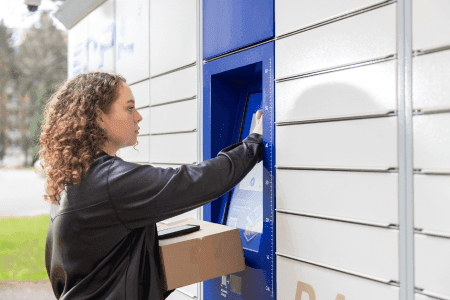
PPL data also shows that 6 in 10 Czechs most often return goods through pickup points and almost a third prefer a parcel box. Some consumers still use the option of having the carrier collect the parcel directly at their address. Thanks to availability, a wide range of options and an intuitive process, 75% of shoppers trust PPL when returning goods.
“We aim to save people as much time as possible. Sending a parcel through a parcel box gives people the freedom to send shipments regardless of the opening hours of drop-off points or of when the driver arrives. We try to meet people halfway not only by increasing the number of pickup and drop-off points in our network, but also by placing them strategically so that they are within reach even in smaller towns and villages throughout the Czech Republic, within 10 minutes on foot or by car for most of the population. On top of that, we also offer the option of booking a collection straight from home. Our courier picks the parcel up at the agreed time directly at the address, which brings customers even greater convenience,” adds Petr Horák, CEO of PPL CZ.
PPL has long been responding to the growing popularity of flexible shipping away from home by expanding its network of pickup and drop-off points – PPL shops and PPL boxes, of which there are currently more than 9,300 across Czechia. Customers can now also send their shipments through more than 2,300 AlzaBoxes throughout the Czech Republic. The new option builds on PPL's existing cooperation with Alza, which has long made it possible to deliver shipments to AlzaBoxes.
About the survey
The DHL E-commerce Trend Report 2025 and DHL Trend Report 2025: Business surveys were conducted between February and March 2025 on a representative sample of 24,000 respondents in 24 countries (1,000 respondents in each country). In the Czech Republic, 1,000 respondents across all age groups who shop online regularly took part. Data collection and analysis were carried out by the research agency Kantar.
Prague, 9 February 2026